
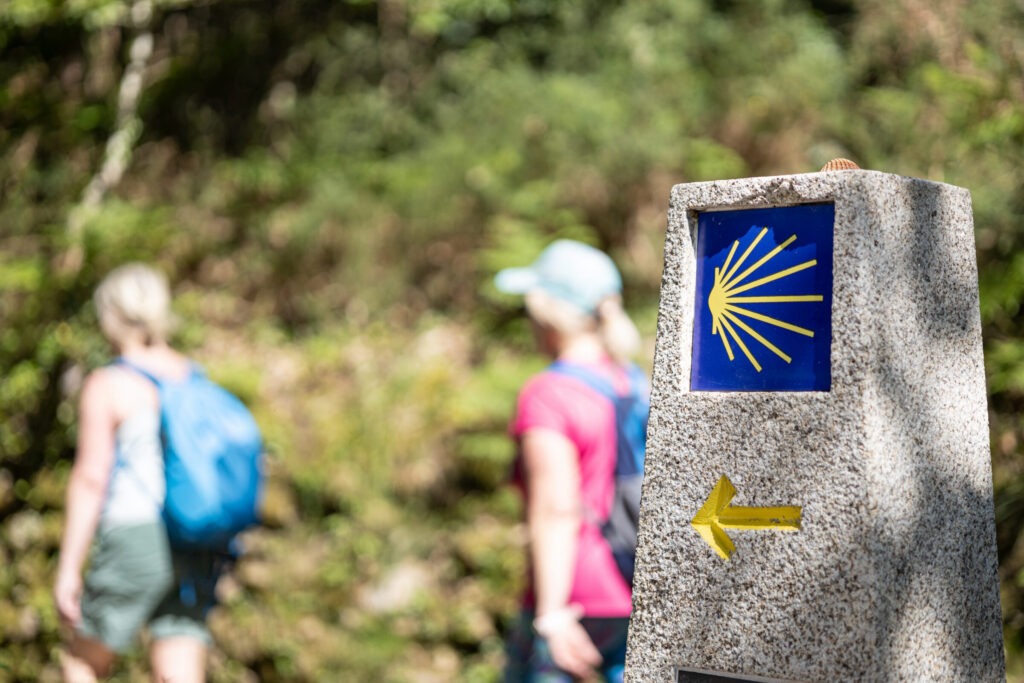
Walking the Camino de Santiago is an incredible experience. Whether you’re setting off for a week or taking on the full journey, it’s a chance to explore beautiful scenery, meet new people and challenge yourself along the way.
But while you might spend months planning your route, booking accommodation and getting your backpack ready, there’s one thing that’s easy to overlook: your feet!
Walking long distances day after day can put considerable strain on your feet and ankles. Blisters, painful corns, sore heels and aching arches can quickly take the enjoyment out of your trip.
The good news is that a little preparation before you leave can make a big difference. Here are seven ways to get your feet Camino-ready.
1. Choose the Right Walking Shoes
Your footwear can make or break your Camino experience. You’ll be spending hours on your feet, often walking across a mixture of gravel paths, uneven ground, hills and paved surfaces, so comfort and fit are essential.
Look for walking shoes or hiking boots that provide enough room for your toes, a secure fit around your heel and appropriate support for the terrain you’ll be covering.
Keep in mind that your feet may swell slightly after several hours of walking, so shoes that feel comfortable for a quick trip to the shops might not feel so great after 20 kilometres!
It’s also important to break in your footwear well before departure. Avoid setting off on a long-distance walk in brand-new shoes, as this can increase friction and the risk of blisters.
Our tip: Wear your chosen shoes on progressively longer walks before your trip. This gives you time to identify any rubbing, pressure points or discomfort before you’re out on the trail.
2. Don’t Underestimate Your Socks
Socks might seem like a small detail, but they play an important role in keeping your feet comfortable.
Moisture and friction are two of the main contributors to blister formation. Socks designed for walking, particularly moisture-wicking options, can help manage sweat and reduce rubbing.
Avoid socks that bunch up inside your shoes, as folds can create pressure and friction over time. It can also be useful to carry an extra pair so you can change into dry socks during the day if your feet become sweaty or wet.
If you notice a hot spot developing, don’t ignore it and hope it goes away. Stop, check the area and address the rubbing before it develops into a painful blister.
3. Build Up Your Walking Distance Before You Go
If you’re planning to walk long distances each day on the Camino, it’s worth preparing your body for the challenge in advance.
Jumping straight into long walks without training can leave your feet, ankles and lower limbs struggling to cope with the increased demands.
Start with shorter walks and gradually increase your distance over several weeks. Try to include some walks on different surfaces and, if your planned route involves hills, incorporate inclines where possible.
This also gives you an opportunity to test your footwear, socks and backpack before the real journey begins.
Remember that preparing for the Camino isn’t just about being able to walk a certain distance. It’s about building up your tolerance so that you can manage repeated days of walking with adequate recovery in between.
4. Deal With Corns and Calluses Before You Leave
Corns and calluses develop in response to repeated pressure and friction. They are common problems, but even a small area of thickened skin can become uncomfortable when you’re walking for several hours a day.
A corn that barely bothers you during your normal routine could become much more painful when you’re covering long distances day after day.
If you already have corns, thick callus, cracked heels or other areas of discomfort, consider having them assessed before your trip. A podiatrist can treat problem areas and advise you on ways to manage pressure and friction.
Avoid trying new, aggressive treatments immediately before departure, particularly if they could leave your skin sore or damaged. If you have diabetes or reduced circulation or sensation in your feet, seek professional advice before attempting to treat these problems yourself.
5. Don’t Ignore Foot or Ankle Pain
Are you already experiencing heel pain, arch discomfort, pain across the ball of your foot or a sore Achilles tendon?
It’s worth addressing these problems before you start a long-distance walking holiday.
Conditions such as plantar heel pain, Achilles tendon problems and forefoot pain can become more troublesome when walking distances increase suddenly. Continuing to walk through persistent or worsening pain may make it harder to manage your symptoms.
A podiatry assessment can help investigate what’s contributing to your discomfort and determine whether footwear changes, exercises, activity modification or other treatments may be appropriate.
For some people, a biomechanical assessment may also be helpful in examining how the feet and lower limbs function during movement. Orthotics may be considered in certain cases, depending on the findings and the individual’s needs.
Ideally, allow yourself enough time before departure to explore any recommended treatment rather than leaving it until the week before you travel.
6. Give Your Feet Some Attention Every Day
When you’re walking the Camino, looking after your feet shouldn’t be something you do only when a problem develops.
At the end of each day, take a few minutes to check your feet. Look for redness, blisters, broken skin, swelling or areas that feel particularly tender.
Wash your feet and dry them carefully, especially between your toes. Change out of damp socks and footwear, and give your feet time to rest.
If you develop a blister, avoid deliberately popping it. Protect the area with an appropriate dressing and monitor it for signs of infection. If redness spreads, the area becomes increasingly painful or you notice discharge, seek medical advice.
Rest is important, too. It can be tempting to push through discomfort when you have a destination to reach, but allowing time for recovery is part of looking after your feet.
If pain is significant, worsening or affecting your ability to walk normally, don’t simply push through it. Consider stopping and seeking appropriate medical advice.
7. Consider a Podiatry Assessment Before Your Camino
You don’t need to have a foot problem to benefit from preparing your feet properly for a long-distance walking holiday.
A pre-Camino podiatry appointment can be particularly useful if you have a history of blisters, recurring corns, painful calluses, nail problems or ongoing foot and ankle pain.
At South Dublin Podiatry, we can assess existing foot concerns, provide routine foot care where appropriate and discuss footwear and other ways to manage pressure and discomfort. If you have pain when walking, we can also advise whether a more detailed biomechanical assessment would be beneficial.
The aim is to identify potential problems early and help you make informed decisions before you set off.
Ready to Get Your Feet Camino-Ready?
The Camino is an amazing opportunity to challenge yourself, explore somewhere new and enjoy the simple pleasure of walking. With the right preparation, you can give yourself the best chance of enjoying the journey without being distracted by avoidable foot problems.
Start building up your walking distance, make sure your footwear fits properly, look after your skin and nails, and don’t ignore any discomfort that develops before you leave.
Your feet will be carrying you every step of the way, so give them a little preparation before the adventure begins!