
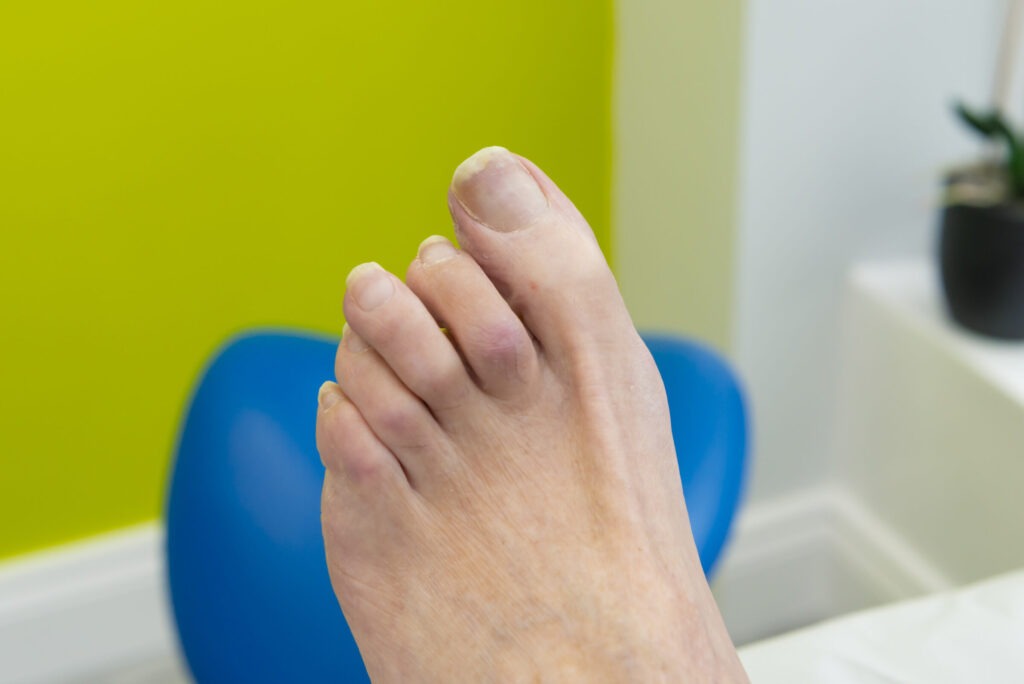
Fungal nail infections can be persistent and difficult to manage. At South Dublin Podiatry, our podiatrists offer a targeted approach designed to deliver antifungal treatment directly to the source of infection.
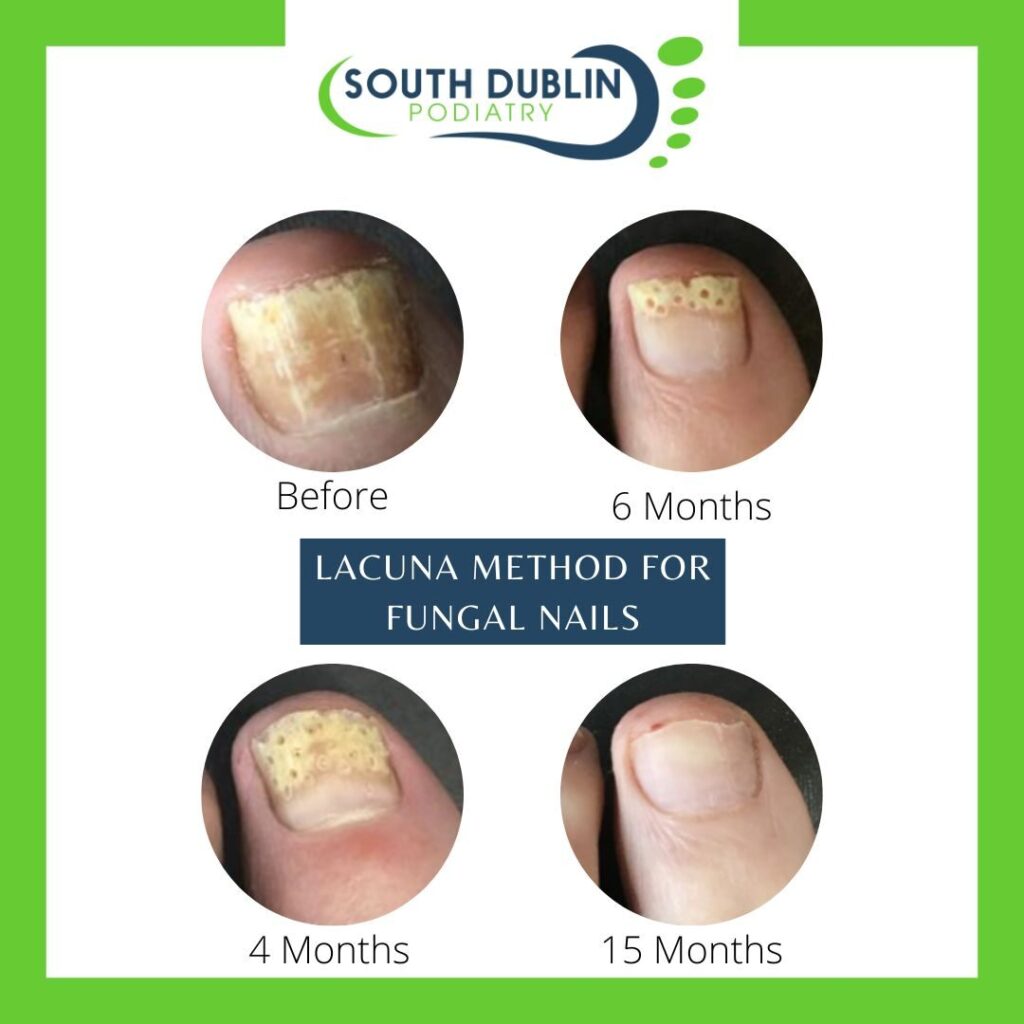
Lacuna Method Fungal Nail Treatment is a technique used to treat fungal nail infections by creating small holes or channels in the infected nail to facilitate the application of antifungal medications. Pressure applied to the nail when walking will aid in spreading the medicament under the nail. It has been clinically proven to be effective in the treatment of fungal nails and short term studies have been very encouraging. Although no fungal nail treatment is guaranteed to be 100% effective, we’ve had great success with it so far.
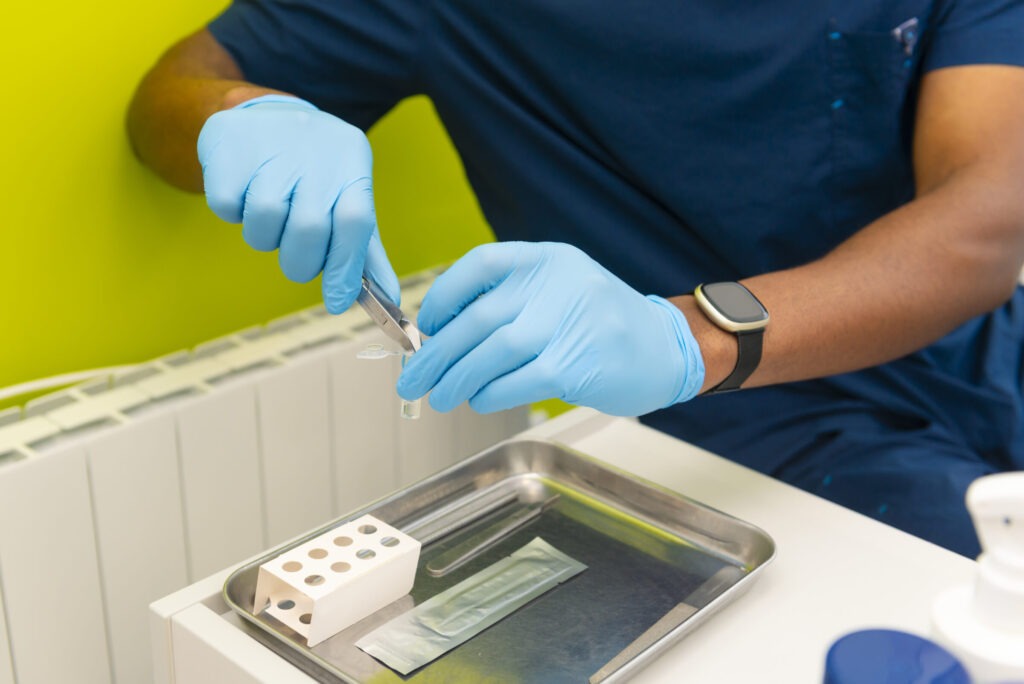
At South Dublin Podiatry, we customise each treatment plan to suit your individual needs, with follow-up appointments every 6 – 8 weeks to monitor progress. During these visits, we take before and after photos to track improvements, trim and reduce the thickness of the nails if needed, and create additional micro-holes to enhance treatment effectiveness. For more severe infections, we may recommend a combination of topical and oral antifungal treatments to achieve the best possible results.
Before treating any fungal nail infection it’s important to establish a solid diagnosis. This is why our podiatrists will see you for a Fungal Nail Consultation first to perform a fungal nail test to confirm presence of a fungal nail infection. Results of this test are usually available within 5 minutes. Depending on the outcome of your test, our specialists will then discuss with you in detail all available treatment options including the Lacuna Method.
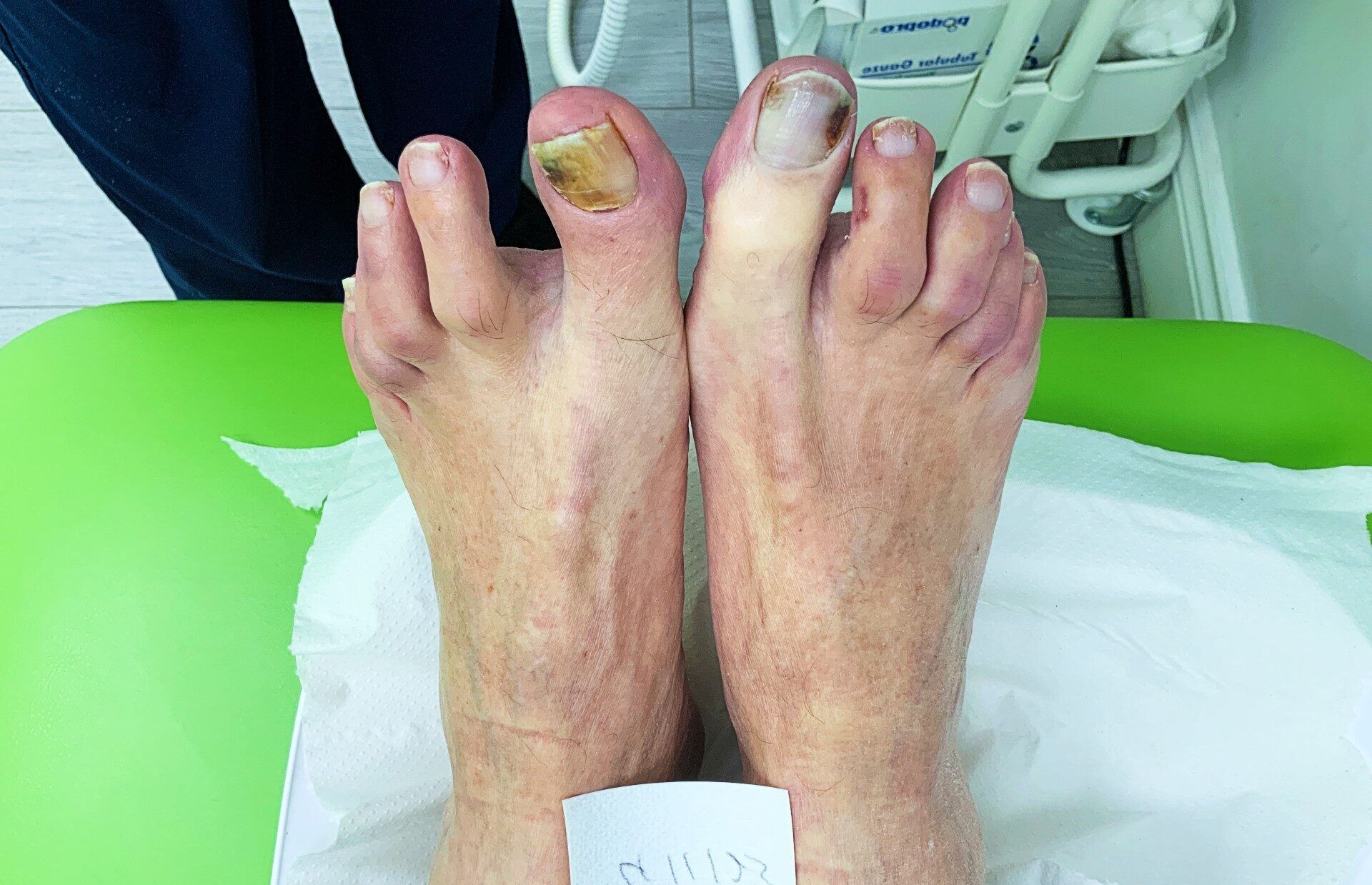
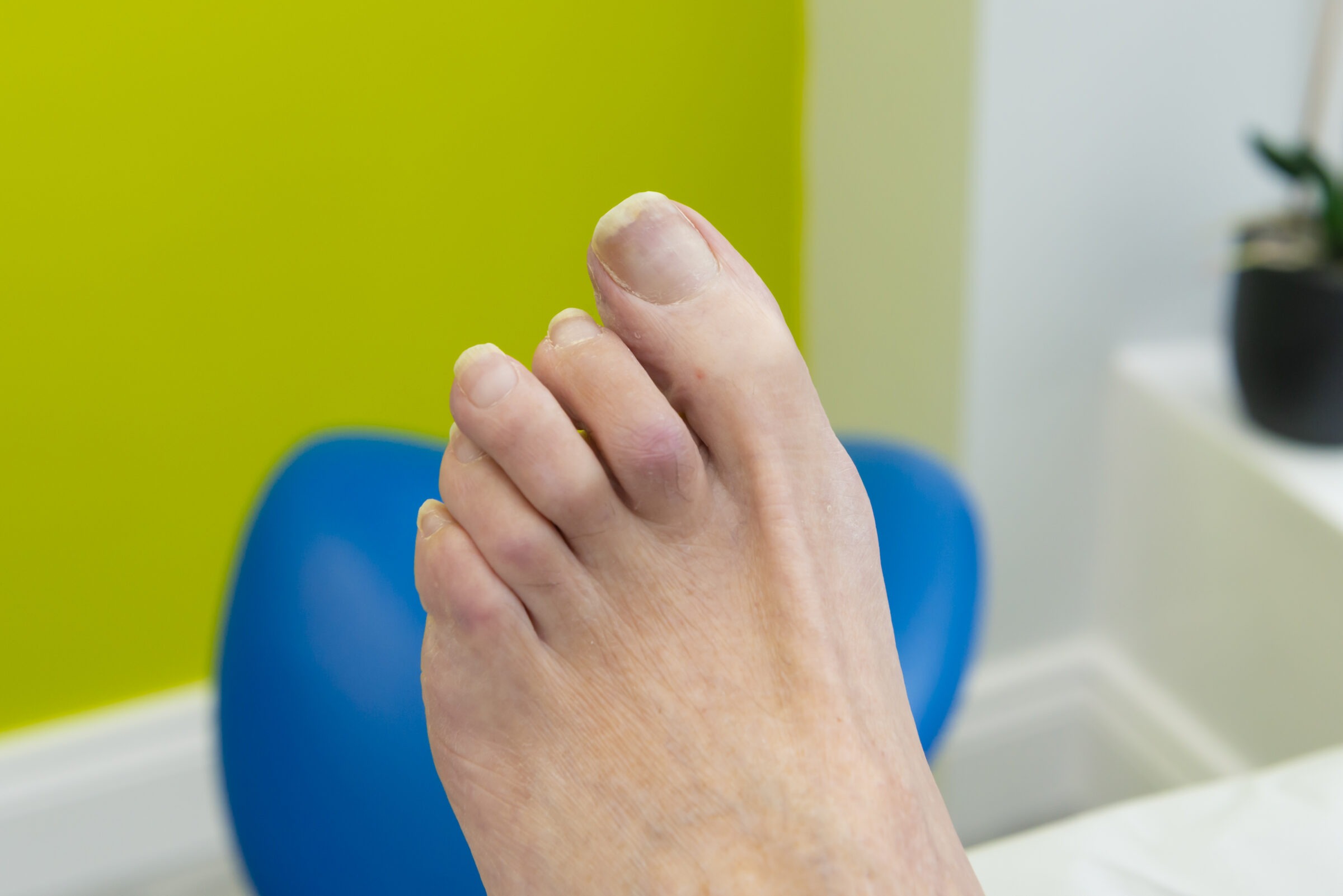
As a podiatrist, I would like to provide you with some common signs and symptoms that may suggest you have a fungal nail problem. Please keep in mind that this information is for educational purposes only, and it is essential to consult a healthcare professional for a proper diagnosis and treatment plan. If you suspect you have a fungal nail infection, I recommend scheduling an appointment with a podiatrist for a thorough evaluation.
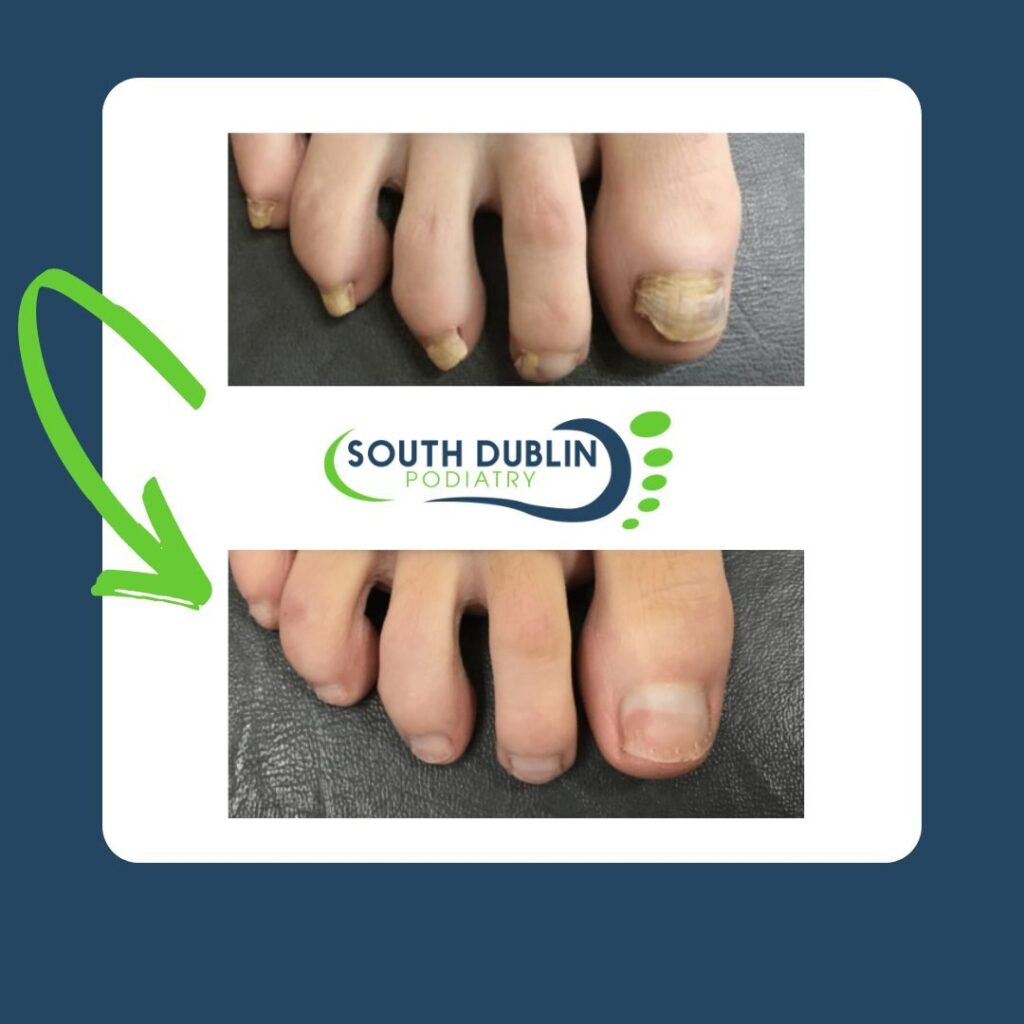
Fungal toenail infections, also known as onychomycosis, are a common podiatric condition caused by various types of fungi. The infection affects the toenails, leading to discoloration, thickening, and sometimes pain or discomfort. Understanding the causes of fungal toenails is crucial in preventing and managing this bothersome condition. As a podiatrist, I aim to shed light on the contributing factors that can lead to fungal toenail infections, enabling patients to take proactive measures to protect their foot health.
Here are just a few of the things our Podiatry Team can do for you:
The Lacuna Method is a technique used in podiatry to treat fungal nail infections. It involves creating small holes or channels in the infected nail to improve the penetration of topical anti-fungal medications into the affected area.
The method involves drilling or creating holes in the infected nail using specialised equipment. These holes allow anti-fungal medications to reach the fungal infection directly, potentially improving the treatment’s effectiveness.
The effectiveness of the Lacuna Method depends on various factors, including the severity of the infection and the choice of anti-fungal medications. It is often used in combination with other treatments and is best discussed with a podiatrist or healthcare professional.
The procedure is typically not painful, as the holes created are small and usually well-tolerated. However, discomfort levels may vary from person to person.
Individuals with fungal nail infections, especially those who have not responded well to traditional treatments, may be considered as candidates for the Lacuna Method. A podiatrist can assess the infection’s severity and determine if this method is appropriate.
The procedure is generally considered safe, but as with any medical treatment, there can be risks. Potential side effects may include minor pain, bleeding, or infection at the treatment site. Consulting a podiatrist before undergoing the procedure is advisable.
The number of sessions required can vary based on the individual’s condition. Multiple sessions may be needed to achieve the desired results, and the podiatrist will determine the appropriate treatment plan.
Yes, the Lacuna Method can be used in conjunction with other treatments, such as oral anti-fungal medications or laser therapy, to enhance the overall effectiveness of the fungal nail infection treatment.
We use cookies to personalise content and analyse traffic. You can choose which cookies to allow. Privacy Policy • Cookie Policy • Terms & Conditions • Google Privacy
We use cookies to help you navigate efficiently and perform certain functions. You can choose which categories to allow below. Cookies categorised as Necessary are always active.
We also use third-party cookies for analytics and advertising. These are only stored with your consent. You can update or withdraw consent at any time via the cookie icon at the bottom-left. This site operates under UK GDPR, the Data Protection Act 2018, and the Privacy and Electronic Communications Regulations (PECR). Cookie Policy • Privacy Policy
Necessary cookies are required for core site features including security, network management, and consent storage.
| Cookie | Duration | Description |
|---|---|---|
hmdg_cookie_consent | 180 days | Stores your cookie consent preferences. |
PHPSESSID | Session | WordPress session identifier. |
wordpress_logged_in_* | Session | WordPress login authentication. |
Functional cookies enable enhanced features such as live chat and remembering preferences.
| Cookie | Duration | Description |
|---|---|---|
wp-settings-* | 1 year | Stores user interface preferences. |
Analytics cookies help us understand visitor behaviour. Controls analytics_storage for Google Analytics 4.
| Cookie | Duration | Description |
|---|---|---|
_ga | 2 years | Google Analytics — distinguishes users. |
_ga_* | 2 years | Google Analytics 4 — session persistence. |
_gid | 24 hours | Google Analytics — distinguishes users. |
_gat | 1 minute | Google Analytics — throttles request rate. |
Performance cookies collect aggregate, anonymous data about site performance.
| Cookie | Duration | Description |
|---|---|---|
_gat_gtag_* | 1 minute | Google Tag Manager — rate throttle. |
Marketing cookies track visits to deliver relevant ads. Controls ad_storage, ad_user_data, and ad_personalization.
| Cookie | Duration | Description |
|---|---|---|
_gcl_au | 90 days | Google Ads — conversion tracking. |
_gcl_aw | 90 days | Google Ads — click attribution. |
_gac_* | 90 days | Google Ads — campaign information. |
IDE | 1 year | Google DoubleClick — ad targeting. |
Powered by HMDG • Cookie Policy