
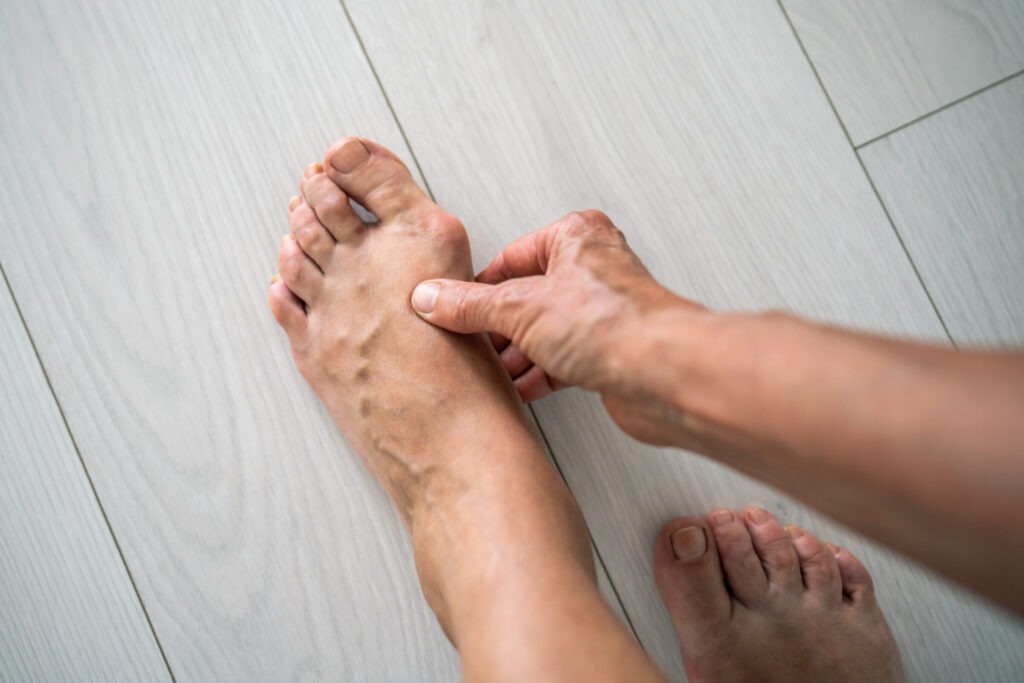
Do any of these sound familiar?
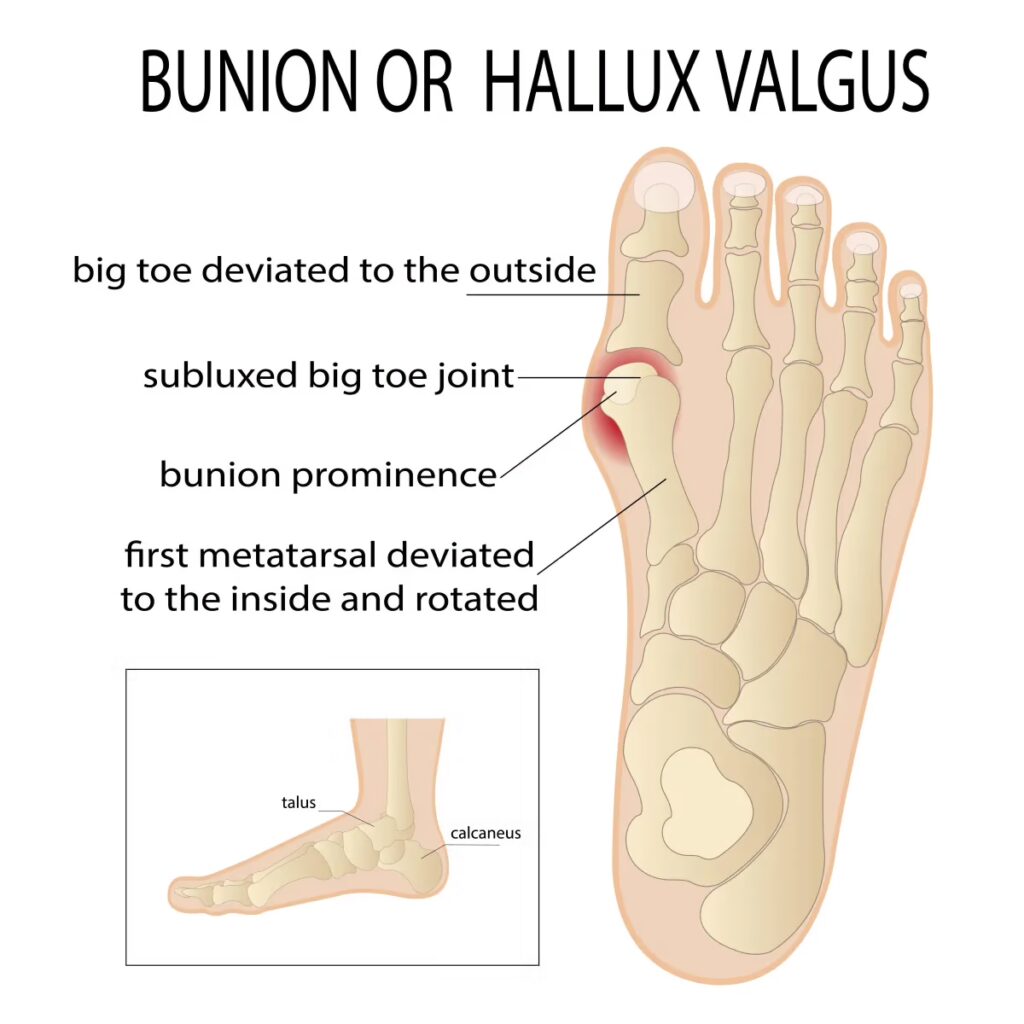
At South Dublin Podiatry, we treat bunions on a weekly basis and understand that it’s a common issue that our patients worry about.
We hear from our patients that they don’t want to end up with terrible bunions like their grandmother or aunt and be forced to wear ugly shoes or undergo ineffective surgery.
We completely understand these worries, which is why we’ve created a Free Information Pack with tips you can start using right away to help alleviate your bunion pain.
As foot experts with years of experience, we know that developing a bunion can be a scary experience, and we’re here to help.
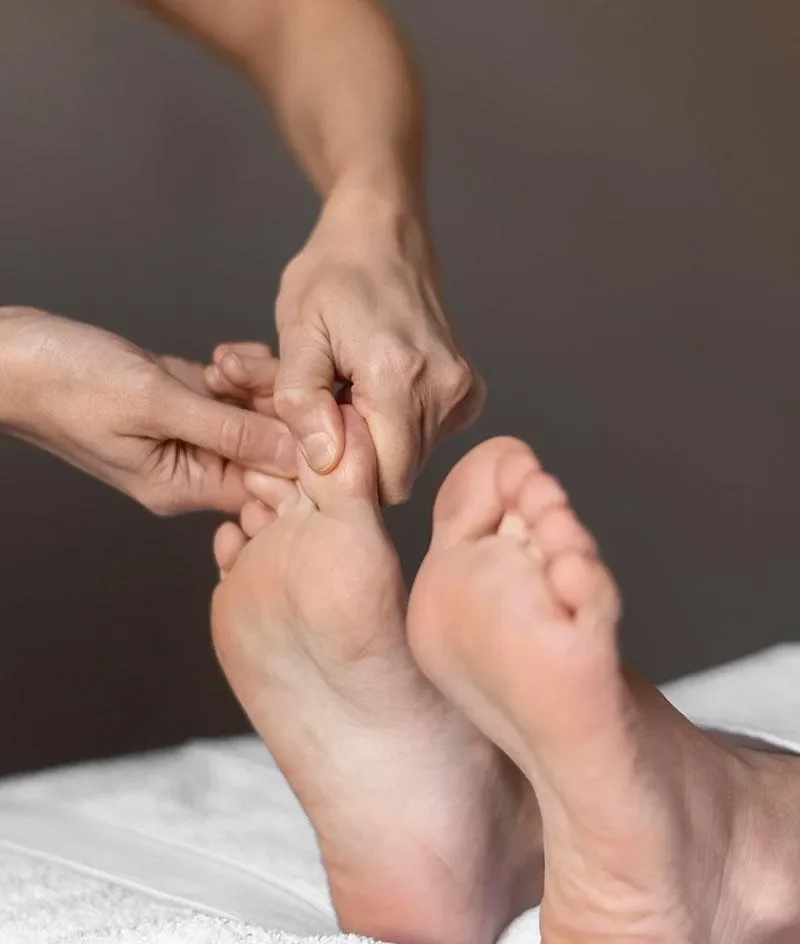
How would you like to be able to…
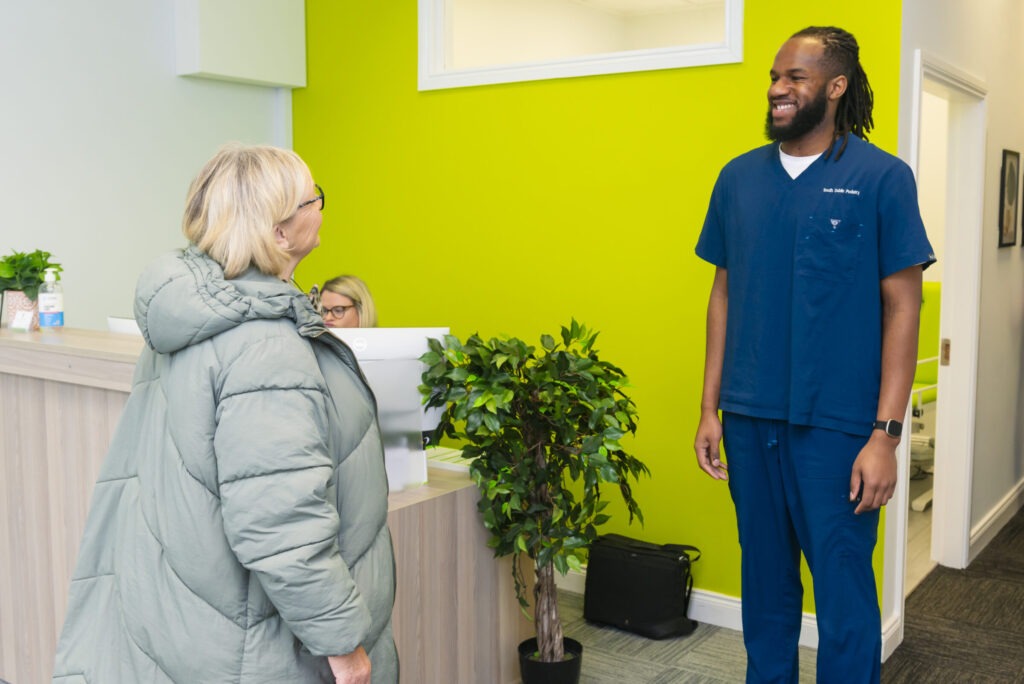
South Dublin Podiatry boasts a team of highly qualified and experienced podiatrists who are dedicated to providing top-notch foot and ankle care. Their expertise ensures that patients receive accurate diagnoses and personalised treatment plans tailored to their specific needs.
Whether it’s treating common foot conditions like bunions, ingrown toenails, or plantar fasciitis, or addressing more complex issues such as sports injuries or diabetic foot care, South Dublin Podiatry offers a comprehensive range of services. Patients can trust that all their foot and ankle concerns will be addressed under one roof.
South Dublin Podiatry is committed to staying at the forefront of podiatry care by investing in state-of-the-art facilities and the latest technology. This allows for more accurate assessments, advanced treatment options, and enhanced patient outcomes.
At South Dublin Podiatry, patients are the top priority. The team believes in a patient-centered approach, where they listen attentively to the concerns and goals of each individual. This ensures that the treatment plan aligns with the patient’s lifestyle and preferences, leading to better compliance and results.
Beyond just treating existing conditions, South Dublin Podiatry emphasises the importance of holistic and preventive care. They educate patients on proper foot care techniques and lifestyle adjustments to minimise the risk of future foot problems, promoting long-term foot health and overall well-being.
The reputation of South Dublin Podiatry speaks for itself through the positive feedback and testimonials from satisfied patients. Many individuals have shared their success stories and experiences, highlighting the clinic’s commitment to excellence and patient satisfaction.
A bunion is a bony bump that forms on the joint at the base of the big toe. It occurs when the big toe pushes against the adjacent toe, causing the joint to stick out and become painful and swollen.
Bunions can be caused by a variety of factors, including genetics, wearing tight or ill-fitting shoes, foot injuries, and certain foot conditions such as flat feet or arthritis. It can also be aggravated by activities that put pressure on the toes, such as ballet or sports.
Yes, bunions can be hereditary. If you have a family history of bunions, you may have an increased risk of developing them.
Yes, non-surgical treatments are available for bunions. These include wearing comfortable shoes with a wide toe box, using bunion pads or cushions to relieve pressure, applying ice to reduce pain and swelling, and taking over-the-counter pain medications. Custom orthotics or shoe inserts can also help in providing support and alleviating symptoms.
Surgery is typically considered as a last resort when non-surgical treatments fail to relieve the pain and discomfort caused by bunions. It may be recommended if the bunion is severe, causing significant pain, interfering with daily activities, or leading to other foot problems.
Bunion surgery, also known as a bunionectomy, involves the removal or realignment of the bony bump and the correction of any deformities in the toe joint. The specific procedure will depend on the severity of the bunion and the individual’s unique circumstances.
The recovery time can vary depending on the type of bunion surgery performed and the individual’s healing process. Generally, it can take several weeks to months to fully recover. During this time, it’s important to follow post-operative instructions, wear proper footwear, and engage in any recommended rehabilitation exercises.
In some cases, bunions can recur after surgery. However, the risk of recurrence can be minimised by following post-operative instructions, wearing appropriate footwear, and maintaining good foot health habits.
While bunions may not be entirely preventable, certain measures can help reduce the risk of their development or slow down their progression. These include wearing comfortable and supportive shoes, avoiding high heels and narrow toe boxes, maintaining a healthy weight, and practicing foot exercises and stretches.
We and our partners, including Google, use cookies and personal data to analyse traffic and for ads personalisation and measurement. You can accept, reject or choose which cookies to allow. Privacy Policy • Cookie Policy • Terms & Conditions • Google Privacy
We use cookies to help you navigate efficiently and perform certain functions. You can choose which categories to allow below. Cookies categorised as Necessary are always active.
We also use third-party cookies for analytics and advertising. These are only stored with your consent. You can update or withdraw consent at any time via the cookie icon at the bottom-left. This site operates under UK GDPR, the Data Protection Act 2018, and the Privacy and Electronic Communications Regulations (PECR). Cookie Policy • Privacy Policy
Necessary cookies are required for core site features including security, network management, and consent storage.
| Cookie | Duration | Description |
|---|---|---|
hmdg_cookie_consent | 180 days | Stores your cookie consent preferences. |
PHPSESSID | Session | WordPress session identifier. |
wordpress_logged_in_* | Session | WordPress login authentication. |
Functional cookies enable enhanced features such as live chat and remembering preferences.
| Cookie | Duration | Description |
|---|---|---|
wp-settings-* | 1 year | Stores user interface preferences. |
Analytics cookies help us understand visitor behaviour. Controls analytics_storage for Google Analytics 4.
| Cookie | Duration | Description |
|---|---|---|
_ga | 2 years | Google Analytics — distinguishes users. |
_ga_* | 2 years | Google Analytics 4 — session persistence. |
_gid | 24 hours | Google Analytics — distinguishes users. |
_gat | 1 minute | Google Analytics — throttles request rate. |
Performance cookies collect aggregate, anonymous data about site performance.
| Cookie | Duration | Description |
|---|---|---|
_gat_gtag_* | 1 minute | Google Tag Manager — rate throttle. |
Marketing cookies track visits to deliver relevant ads. Controls ad_storage, ad_user_data, and ad_personalization.
| Cookie | Duration | Description |
|---|---|---|
_gcl_au | 90 days | Google Ads — conversion tracking. |
_gcl_aw | 90 days | Google Ads — click attribution. |
_gac_* | 90 days | Google Ads — campaign information. |
IDE | 1 year | Google DoubleClick — ad targeting. |
Powered by HMDG • Cookie Policy