
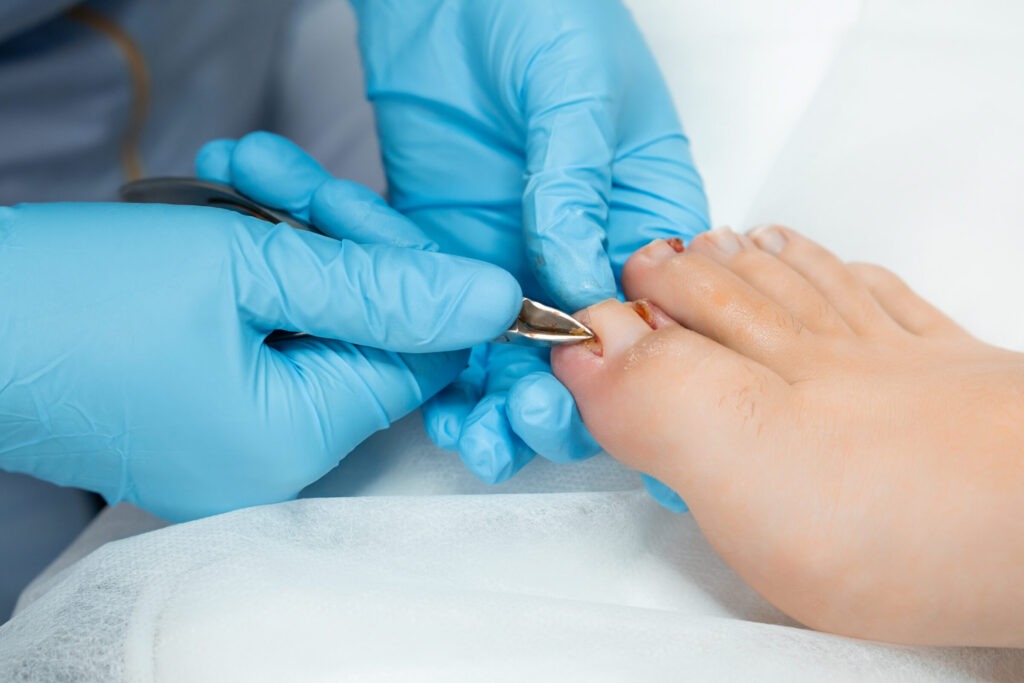
As the weather gets warmer and sandals come back out of storage, many people notice an uncomfortable and familiar problem returning, ingrown toenails. At South Dublin Podiatry, spring and early summer are some of the busiest times of year for treating painful, swollen toenails.
But why do ingrown toenails seem to flare up at this time of the year?
The answer usually comes down to a combination of footwear changes, increased activity, and nail care habits that become more common as temperatures rise.
What Is an Ingrown Toenail?
An ingrown toenail happens when the edge of the nail grows into the surrounding skin instead of growing straight outward. This most commonly affects the big toe and can lead to:
- Pain or tenderness
- Redness and swelling
- Infection
- Difficulty wearing shoes comfortably
- Drainage or pus in more severe cases
Without treatment, an ingrown toenail can quickly become more painful and harder to manage.
Why They Become More Common Before Summer
1. Switching to Tight Spring and Summer Footwear
As people become more active outdoors, footwear habits often change. Many patients swap winter boots for:
- Narrow trainers
- Tight running shoes
- Fashion footwear with less toe room
- Slip-ons that alter walking pressure
These shoes can place extra pressure on the toenails, especially the big toe, encouraging the nail edge to dig into the skin.
Ironically, even sandals can contribute if they don’t provide proper support and cause the toes to grip while walking.
2. Increased Exercise and Outdoor Activity
Longer days and warmer weather naturally lead to more movement. Running, hiking, gym workouts, football, and walking holidays all increase repeated pressure on the toes.
Excessive sweating during exercise can also soften the skin around the nail, making it easier for the nail edge to penetrate.
People training for summer events or holidays often notice symptoms worsening during this period.
3. Poor Nail Cutting Habits
Many ingrown toenails begin with incorrect nail trimming.
Before sandal season, people often try to “tidy” their toenails cosmetically by:
- Cutting nails too short
- Rounding the corners deeply
- Picking at nail edges
Unfortunately, this encourages the nail to curve inward as it regrows.
The safest way to trim toenails is straight across, avoiding digging into the corners.
4. Barefoot Walking and Minor Trauma
During warmer months, people spend more time barefoot around pools, gardens, beaches, and changing rooms. This increases the chance of:
- Stubbing toes
- Nail damage
Even small injuries can alter nail growth and trigger an ingrown toenail weeks later.
5. Existing Nail Problems Become Worse
Underlying issues such as:
- Thickened nails
- Fungal nail infections
- Naturally curved nails
- Bunions or toe deformities
can all increase pressure around the nail edge. These problems may become more noticeable when feet are exposed more frequently during summer.
Signs You Should See a Podiatrist
An ingrown toenail rarely improves if it has already become painful or infected.
It’s important to seek professional treatment if you notice:
- Persistent pain
- Swelling or redness
- Bleeding
- Pus or discharge
- Difficulty walking
- Recurring ingrown toenails
People with diabetes or poor circulation should never attempt to treat an ingrown toenail themselves.
How a Podiatrist Can Help
A podiatrist can safely assess and treat the problem before it becomes severe. Treatment may include:
- Removing the offending nail edge
- Reducing thickened nail pressure
- Treating infection
- Advising on footwear and nail care
- Performing a minor nail surgery procedure for recurring cases
Early treatment is usually simpler, less painful, and helps prevent infection from spreading.
Tips to Prevent Ingrown Toenails This Summer
To reduce your risk this season:
- Trim nails straight across
- Avoid cutting nails too short
- Wear properly fitted footwear with adequate toe space
- Keep feet clean and dry
- Change sweaty socks regularly
- Protect toes during sports and exercise
- Avoid picking or tearing nail edges
Don’t Ignore Early Symptoms
Ingrown toenails can progress quickly, especially during active summer months. What starts as mild tenderness can soon become infected and extremely painful.
If you notice redness, swelling, or recurring discomfort around a toenail, arranging treatment early can prevent the problem from worsening and help keep you comfortable throughout the summer season.