
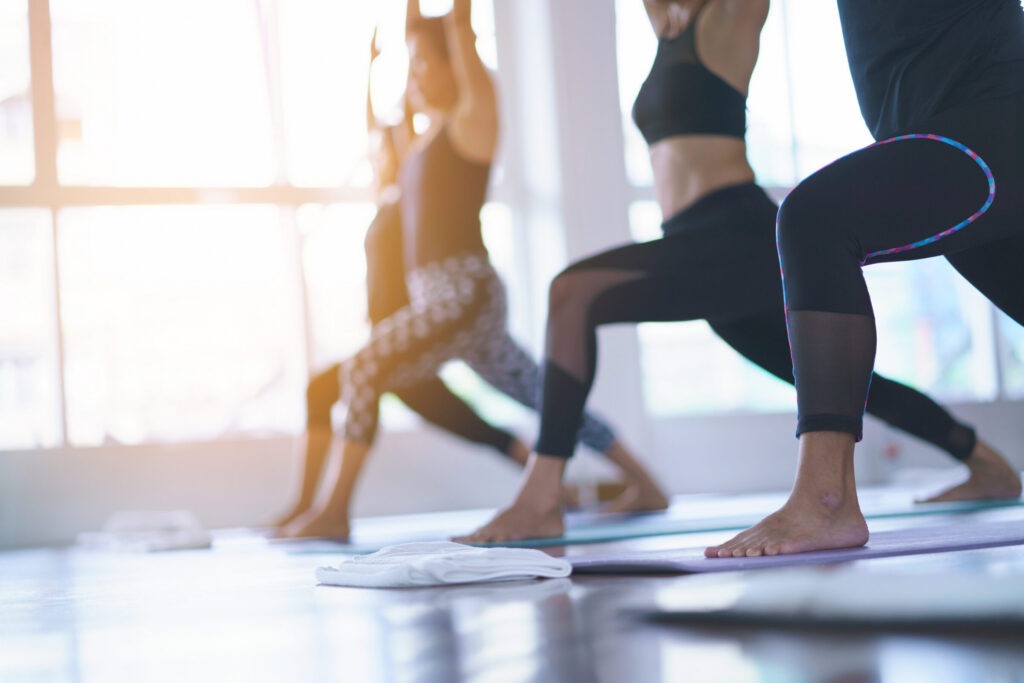
Pilates has become increasingly popular in recent years, and it’s easy to see why. Whether you’re looking to improve your flexibility, build strength, improve your posture or simply find a way to stay active, Pilates offers plenty of benefits.
Most people associate Pilates with strengthening their core, improving flexibility and building better body awareness. But there’s one area that often gets overlooked: your feet!
Your feet play an important role in many Pilates exercises, helping you balance, stabilise your body and control your movements. Looking after them can make a real difference to how comfortably and effectively you move, both on and off the Pilates mat.
So, what exactly is the connection between Pilates and foot health?
Why are your feet so important during Pilates?
Your feet are your body’s foundation. They support your entire body weight and help you maintain balance, stability and alignment.
During Pilates, your feet are involved in far more movements than you might realise. From standing exercises and balancing positions to movements performed lying down, your feet and ankles are constantly helping to control your body’s position.
The small muscles within your feet, along with the muscles supporting your ankles and lower legs, help maintain stability and control. If these muscles are weak or your foot mechanics are not functioning optimally, certain exercises may become more difficult.
5 ways Pilates can benefit your feet and lower limbs
Pilates isn’t specifically designed to treat foot conditions, but regular practice can help develop strength, flexibility and body awareness that support healthy movement.
1. Improved foot and ankle strength
Many Pilates exercises involve controlled movements that engage the muscles of the feet and lower legs. Developing strength in these muscles can help improve stability and control during everyday activities such as walking, climbing stairs and exercising.
2. Better balance and stability
Balance is an important part of Pilates, with many exercises challenging your ability to maintain control while moving. Your feet and ankles play a key role in this process.
Improving balance and ankle stability can also be beneficial for everyday activities and may help reduce the risk of falls.
3. Increased flexibility and mobility
Pilates incorporates controlled movements and stretching that can help improve flexibility throughout the body, including the lower limbs.
Gentle ankle movements and exercises that work through the foot can help maintain joint mobility and encourage better movement control.
4. Improved posture and body alignment
Your feet influence how your body moves and distributes weight. The way your feet function can affect the positioning of your ankles, knees, hips and pelvis.
Pilates encourages body awareness and controlled movement, helping participants become more conscious of their posture and alignment. While Pilates does not correct every biomechanical issue, it can complement a wider approach to improving movement and strength.
5. Better awareness of how your body moves
One of the key principles of Pilates is controlled, mindful movement. This can help you become more aware of how you distribute your weight, position your feet and move through different exercises.
Developing this awareness can be useful when identifying movements that feel uncomfortable or place additional strain on certain areas.
Common foot problems that can affect your Pilates practice
Although Pilates can be a great way to stay active, existing foot and ankle problems may sometimes make certain exercises uncomfortable.
Some common conditions to be aware of include:
Plantar Fasciitis
Plantar fasciitis causes pain around the heel and arch of the foot, often particularly noticeable during the first steps in the morning or after periods of rest. Some weight-bearing Pilates exercises may aggravate symptoms, particularly if they involve prolonged standing or stretching through the foot.
Achilles Tendinopathy
The Achilles tendon connects your calf muscles to your heel bone. If this tendon becomes irritated or overloaded, you may experience pain and stiffness around the back of your ankle. Exercises involving repeated ankle movements or loading through the toes may need to be modified.
Bunions
A bunion is a bony prominence that develops at the base of the big toe, often causing the toe to angle towards the smaller toes. Certain positions that place pressure on the forefoot may cause discomfort, particularly when practising barefoot.
Ankle Instability
If you’ve previously suffered an ankle sprain or experience your ankle regularly giving way, balancing exercises may feel more challenging. Building strength and stability can be beneficial, but exercises should be adapted to your individual ability.
If you experience persistent foot or ankle pain during Pilates, it’s worth having it assessed rather than simply pushing through the discomfort.
Looking after your feet during Pilates
A few simple steps can help keep your feet comfortable while getting the most out of your Pilates sessions:
- Listen to your body: If an exercise causes foot or ankle pain, don’t ignore it. Speak to your instructor about modifying the movement.
- Choose suitable grip socks: If you prefer wearing socks, choose a pair with non-slip grips to help improve traction and stability.
- Don’t neglect your feet: Just like the rest of your body, your feet benefit from regular movement and strengthening exercises.
- Build up gradually: If you’re new to Pilates, allow your body time to adapt rather than jumping straight into more challenging exercises.
- Wear appropriate footwear outside the studio: Supportive, well-fitting footwear can help keep your feet comfortable throughout the rest of the day.
When should you see a podiatrist?
Pilates can be a fantastic addition to an active lifestyle, but it isn’t a substitute for professional assessment if you’re experiencing ongoing foot or ankle pain.
If you regularly experience heel pain, arch discomfort, forefoot pain, ankle instability or difficulty with certain movements, a podiatry assessment can help identify what might be causing the problem.
At South Dublin Podiatry, we offer comprehensive biomechanical assessments to evaluate how your feet and lower limbs function when standing, walking and moving.
Depending on your individual needs, treatment options may include strengthening and rehabilitation advice, footwear recommendations, custom orthotics or other appropriate treatments.
Whether you’re a regular Pilates enthusiast or just getting started, don’t forget about the foundations that support every movement.
Strong, healthy feet help keep you moving. Take care of them, and they’ll take care of you!
If foot or ankle pain is affecting your ability to exercise, contact South Dublin Podiatry to arrange an assessment.