
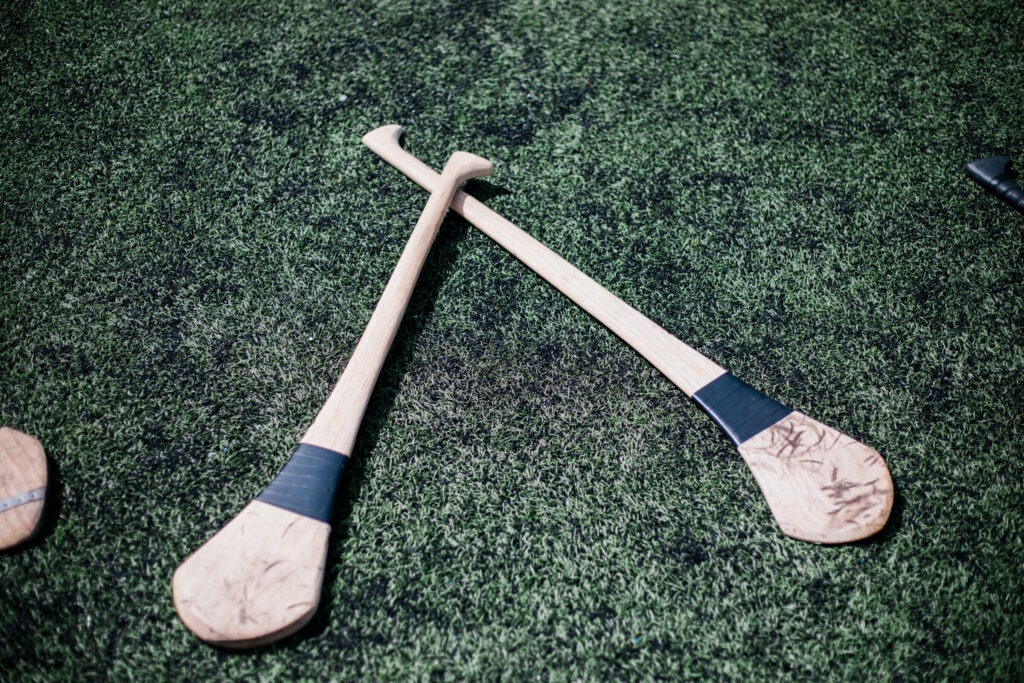
Whether you’re playing football, hurling, or camogie, your feet and ankles take on a huge amount of stress from sprinting, sudden changes in direction, jumping, and contact. At South Dublin Podiatry, we regularly treat GAA players of all levels dealing with both acute injuries and long term overuse problems.
Here’s a guide to the most common foot and ankle injuries in GAA players, how they happen, and what you can do about them.
1. Ankle Sprains
What it is:
A stretch or tear of the ligaments around the ankle, usually on the outside (lateral ankle sprain).
How it happens:
- Landing awkwardly after a jump
- Sudden changes in direction
- Tackles or collisions
Symptoms:
- Pain and swelling around the ankle
- Difficulty weight-bearing
- Instability or “giving way” feeling
Why it matters:
Repeated ankle sprains can lead to chronic instability, increasing your risk of future injuries.
Treatment:
- Early management (rest, compression, elevation)
- Progressive rehab and strengthening
- Biomechanical assessment to prevent recurrence
2. Achilles Tendinopathy
What it is:
Irritation or degeneration of the Achilles tendon at the back of the heel.
How it happens:
- Overuse from training and matches
- Sudden increase in activity
- Tight calf muscles
Symptoms:
- Stiffness in the morning
- Pain during or after activity
- Tenderness along the tendon
Why it matters:
If ignored, it can become a long-term issue and significantly limit performance.
Treatment:
- Load management
- Strengthening exercises (especially eccentric loading)
- Footwear and orthotic assessment if needed
3. Plantar Fasciitis
What it is:
Inflammation or irritation of the plantar fascia, the tissue along the sole of the foot.
How it happens:
- Repetitive strain from running on hard pitches
- Poor foot biomechanics
- Inadequate recovery
Symptoms:
- Heel pain, especially first thing in the morning
- Pain after periods of rest
- Tightness in the sole of the foot
Treatment:
- Stretching and strengthening
- Activity modification
- Custom orthotics where appropriate
4. Stress Fractures
What it is:
Small cracks in the bone caused by repetitive loading, commonly in the metatarsals.
How it happens:
- Overtraining without enough recovery
- Sudden increase in intensity or volume
- Poor shock absorption
Symptoms:
- Gradual onset of pain
- Localised tenderness
- Pain that worsens with activity
Why it matters:
Continuing to play can worsen the fracture and lead to longer recovery times.
Treatment:
- Rest from impact activity
- Gradual return-to-play plan
- Addressing biomechanical factors
5. Turf Toe and Big Toe Injuries
What it is:
Sprain of the joint at the base of the big toe.
How it happens:
- Forceful push-off during sprinting
- Hyperextension of the toe on firm ground
Symptoms:
- Pain at the base of the big toe
- Swelling and reduced movement
- Difficulty pushing off when running
Treatment:
- Immobilisation or taping
- Strengthening and mobility work
- Footwear advice
6. Heel Pain in Younger Players (Sever’s Disease)
What it is:
A growth-related condition affecting the heel in adolescents.
How it happens:
- Repetitive stress on a growing heel bone
- High training loads during growth spurts
Symptoms:
- Heel pain during or after activity
- Limping in some cases
- Tenderness at the back of the heel
Treatment:
- Load management
- Heel supports or orthotics
- Stretching programmes
Injury Prevention Tips for GAA Players
Preventing injuries is always better than treating them. Here are some key strategies:
- Warm up properly before training and matches
- Strengthen your calves, ankles, and intrinsic foot muscles
- Increase training loads gradually
- Wear appropriate footwear for your position and pitch conditions
- Don’t ignore early pain – small issues can become bigger problems
When Should You See a Podiatrist?
If you’re experiencing:
- Persistent foot or ankle pain
- Recurrent injuries
- Difficulty returning to play
- Changes in how you run or move
…it’s worth getting assessed.
At South Dublin Podiatry, we specialise in diagnosing and treating lower limb injuries in athletes. We look beyond the symptoms to identify underlying causes, helping you recover fully and reduce your risk of re-injury.
GAA is tough on the body, but with the right care and early intervention, most foot and ankle injuries can be managed effectively. Whether you’re dealing with a recent injury or a niggling issue that won’t go away, getting the right support can make all the difference to your performance and long-term health.