
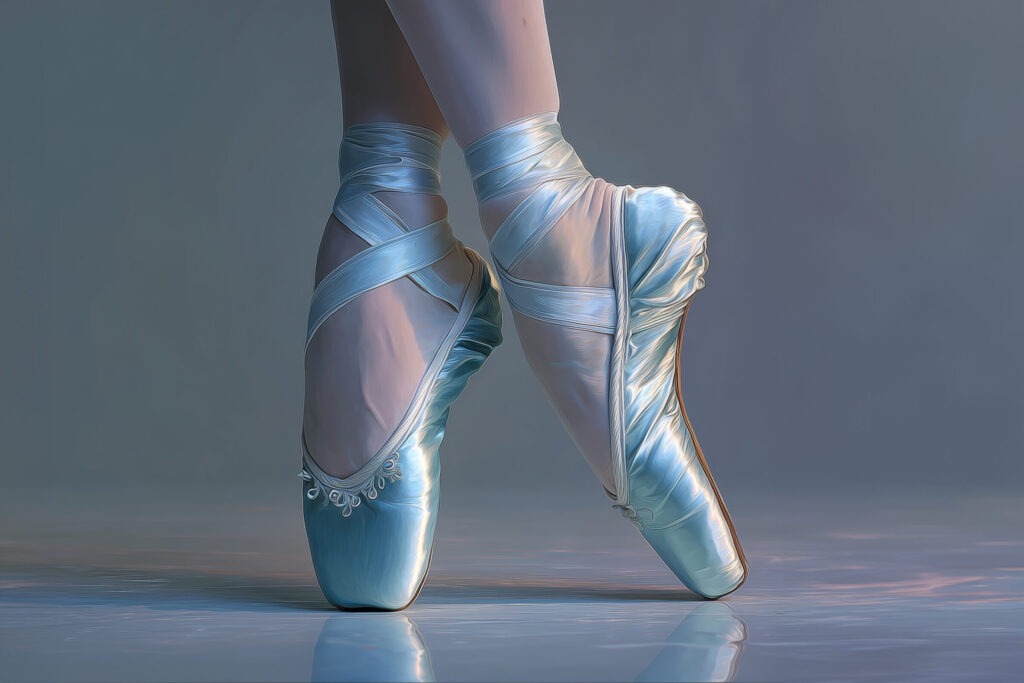
Athletes and dancers rely heavily on their feet for strength, balance, and power. Whether it’s the explosive movements of a sprinter or the precision of a ballet dancer, the feet endure intense, repetitive stress. Because of this, foot and ankle injuries are extremely common and can quickly affect performance, training, and overall mobility.
Below are some of the most frequent foot issues we see in athletes and dancers—and how podiatric care can help keep them moving safely.
1. Plantar Fasciitis
Plantar fasciitis is one of the most common causes of heel pain, affecting runners, field athletes, gym-goers, and dancers alike. It occurs when the plantar fascia, a band of tissue supporting the arch, becomes irritated or overstretched.
Why it happens
-
Repetitive running, jumping, or landing
-
Tight calf muscles or limited ankle mobility
-
Improper footwear or hard training surfaces
Typical symptoms
-
Sharp heel pain when getting out of bed
-
Arch discomfort during or after activity
-
Increased pain after long training sessions
How podiatry helps
Treatment can include stretching programs, strengthening, orthotics, shockwave therapy, taping, and gait or technique assessment to reduce strain.
2. Stress Fractures
Stress fractures are small cracks in the bones, most commonly the metatarsals, that develop from repetitive overload. They are especially common in runners, football players, gymnasts, and dancers who spend long hours on their feet.
Warning signs
-
Gradual, pinpoint pain on the top or side of the foot
-
Swelling that worsens with weight-bearing
-
Pain that increases during activity and eases with rest
Why they occur
-
High-impact training
-
Sudden increases in activity level
-
Poor shock absorption
-
Low bone density or nutritional deficits
Why early diagnosis matters
Continuing to train on a stress fracture can lead to a more serious break. A podiatrist can confirm the injury, off-load the area, and guide a safe, structured return to sport or dance.
3. Bunions
Bunions (hallux valgus) are a structural deformity where the big toe drifts inward, creating a bony bump at the joint. While often inherited, they are aggravated by pressure and footwear.
Who is at risk?
-
Ballet dancers
-
Athletes wearing tight boots (football, soccer, rugby)
-
Individuals with flexible or flat feet
Common symptoms
-
Pain around the big toe joint
-
Redness, irritation, or swelling
-
Difficulty fitting into training or dance footwear
Podiatric management
Conservative treatments include custom orthotics, toe spacers, padding, footwear recommendations and strengthening.
4. Ankle Sprains
Ankle sprains are extremely common in sports involving quick changes in direction—like basketball, soccer, netball—and in dance styles where balance and pointe work are required.
Symptoms
-
Immediate swelling and bruising
-
Pain with weight-bearing
-
Sensation of the ankle “giving way”
A podiatrist can evaluate ligament damage, guide rehabilitation, and create a plan to restore strength and stability, reducing the risk of repeated sprains.
For more information, have a read of our blog on ankle sprains HERE
5. Skin and Nail Problems
Blisters, calluses, black toenails, and ingrown nails affect both athletic shoes and dance footwear.
Common causes
-
Excessive friction
-
Tight shoes or pointe shoes
-
Long training sessions
-
Sweating and moisture buildup
Podiatric care includes safe nail treatment, callus reduction, blister prevention strategies, and advice on footwear and moisture control.
Keeping Athletes and Dancers on Their Feet
Athletes and dancers push their bodies harder than most, and their feet absorb much of that stress. Early assessment and targeted treatment can prevent minor issues from becoming long-term injuries. South Dublin Podiatry offers comprehensive foot and ankle care—from diagnosis and treatment to preventative programs designed for performance-driven individuals.
If pain is interrupting your training or performance, we’re here to help you move confidently again.