
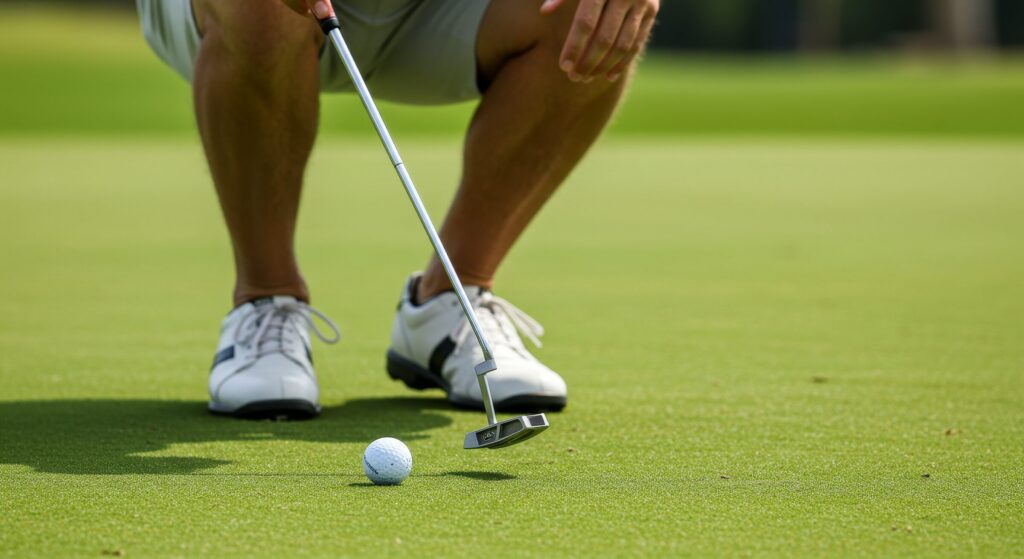
Golf may not look like a high impact sport, but many golfers are surprised to develop persistent heel pain. At South Dublin Podiatry, we frequently see golfers struggling with discomfort that affects both performance and enjoyment of the game. The good news is that heel pain is very treatable, especially when addressed early.
Why Do Golfers Get Heel Pain?
A typical round of golf involves far more physical stress than people realise. Players often walk 8–12 kilometres, rotate repeatedly through the same foot during their swing, and spend hours on firm terrain.
These factors combine to overload the structure most commonly responsible for heel pain: the plantar fascia.
The plantar fascia is a strong band of tissue that runs from your heel to your toes, supporting your arch and helping absorb shock. In golfers, repetitive walking and twisting forces create small strains where the fascia attaches to the heel. Over time, this can lead to irritation and degeneration, a condition known as plantar fasciitis.
How the Golf Swing Contributes
During the golf swing:
-
The lead foot remains planted while the body rotates over it.
-
Large forces transfer through the heel during follow-through.
-
Repeating this motion hundreds of times places significant strain on the fascia.
-
Sloped fairways and uneven lies increase stress further.
Unlike running injuries, this is not caused by impact, but by repetitive load and rotation.
Common Symptoms Golfers Notice
Heel pain related to golf often develops gradually. Typical signs include:
-
Sharp pain under the heel when getting out of bed
-
Stiffness that eases after a few minutes of walking
-
Pain returning after a round of golf
-
Tenderness on the inside of the heel
-
Discomfort worse the day after playing rather than during play
Many golfers try to “play through it,” which unfortunately can prolong recovery.
Contributing Factors We See in Clinic
Several underlying issues make golfers more vulnerable:
1. Inadequate Footwear
Golf shoes that are too flexible or worn out fail to support the arch during rotation.
2. Tight Calf Muscles
Limited ankle flexibility increases tension on the plantar fascia.
3. Poor Foot Stability
Weak intrinsic foot muscles allow the arch to collapse repeatedly during walking and swinging.
4. Sudden Increase in Play
Returning to golf after a break, playing multiple rounds in a short period, or travelling to play can overload tissues that are not conditioned.
Effective Treatment for Heel Pain
The key to recovery is not complete rest, but reducing overload while restoring strength and flexibility.
Targeted Stretching
Specific plantar fascia stretches are more effective than calf stretching alone. These help reduce morning pain and improve tissue tolerance.
Strengthening Exercises
Building foot and calf strength improves shock absorption and prevents recurrence. Guided rehabilitation is often essential for lasting improvement.
Footwear Advice and Orthotic Support
Supportive golf shoes and, where appropriate, custom orthotics help control excessive strain during the swing and walking phases of play.
Hands-On Treatment
Podiatric care may include soft-tissue therapy, taping, and personalised rehabilitation planning to accelerate recovery.
When Should You Seek Professional Advice?
We recommend assessment if:
-
Heel pain persists longer than two weeks
-
Symptoms are worsening despite rest
-
You are changing how you walk or swing due to discomfort
-
Pain is affecting your ability to play or stay active
Early intervention leads to faster recovery and helps prevent recurrence.