
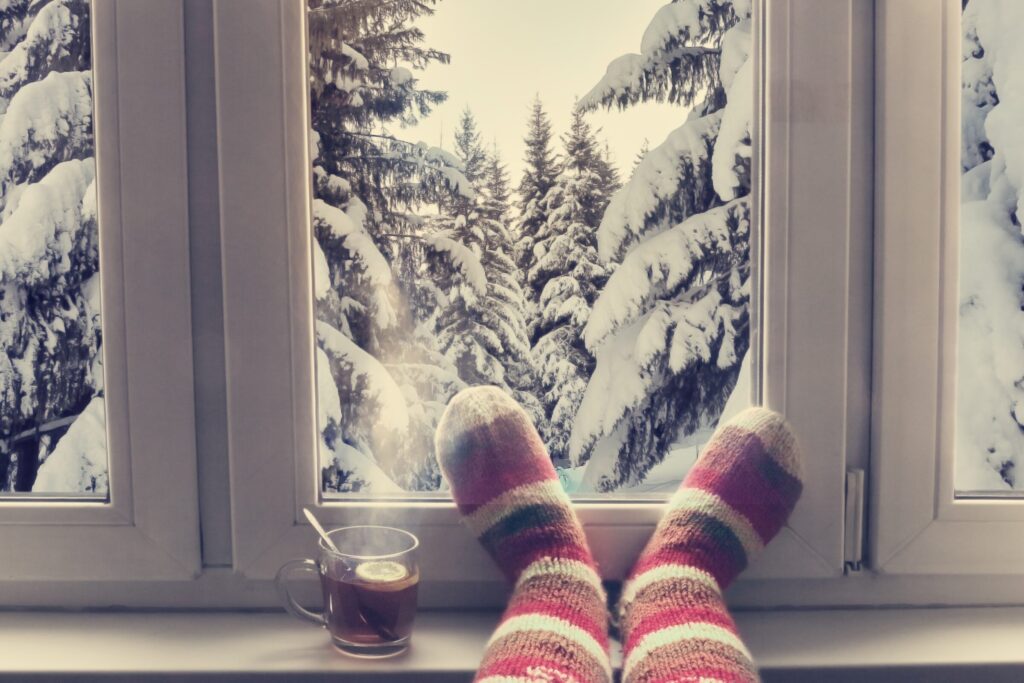
As temperatures drop, our feet often feel the effects first. Cold weather, dry air, and changes in footwear can all impact foot health. While many people focus on staying warm and protecting their hands and face, our feet need just as much attention, especially during the winter months.
Here’s how winter affects your feet and practical steps you can take to keep them healthy and comfortable.
1. Dry Skin and Cracked Heels
Winter air has low humidity, and indoor heating makes the problem worse. This combination can lead to:
-
Dry, flaky skin
-
Cracked heels
-
Itching or irritation
-
Increased risk of splitting skin and infection
What you can do:
-
Moisturise daily with a urea-based foot cream
-
Avoid walking barefoot on cold surfaces
-
Wear cotton or bamboo socks to lock in moisture
If cracks become painful or bleed, a podiatrist can safely remove hard skin and recommend targeted treatments.
2. Cold Toes and Poor Circulation
In winter, blood vessels naturally constrict to keep your core warm. For some people, especially those with diabetes or circulatory issues, this can cause:
-
Cold feet
-
Tingling
-
Colour changes
-
Increased discomfort
What you can do:
-
Wear thermal socks (avoid anything too tight)
-
Keep feet moving throughout the day
-
Choose insulated, well-fitting winter shoes
-
Avoid sitting still for long periods
If your feet frequently become numb or change colour, it’s important to seek professional advice.
3. Chilblains
Chilblains are painful, itchy patches that appear when cold feet are warmed too quickly. They are surprisingly common in winter and can affect toes, heels, and the sides of the feet.
What you can do:
-
Keep feet warm with layers and insulated footwear
-
Warm cold feet gradually—not on radiators or next to fires
-
Moisturise the skin to prevent cracking
-
Seek advice if they become persistent or painful
A podiatrist can treat and help prevent chronic chilblains.
4. Winter Footwear Problems
Thick boots and heavy shoes can trap moisture, cause friction, and alter your walking pattern. Common issues include:
-
Blisters
-
Corns
-
Bunions getting aggravated
-
Fungal infections from sweaty footwear
What you can do:
-
Make sure winter shoes fit well with thicker socks
-
Allow boots to air out between wears
-
Rotate footwear to avoid dampness
-
Use supportive insoles if boots feel uncomfortable
A podiatrist can assess your winter footwear and recommend adjustments to reduce pain.
5. Fungal Infections
Feet tend to sweat more inside insulated shoes. Combined with enclosed footwear, this creates the perfect environment for fungal infections.
What you can do:
-
Choose breathable socks (bamboo is ideal)
-
Change socks if they become damp
-
Keep toenails trimmed and clean
-
Use an antifungal spray on footwear regularly
If you notice persistent itching, peeling skin, or changes in nail colour, schedule an assessment.
6. Reduced Activity Levels
Many people slow down in winter, which can lead to stiffness, reduced circulation, and joint discomfort in the feet and ankles.
What you can do:
-
Aim for daily movement—even short walks help
-
Stretch feet and ankles regularly
-
Wear supportive trainers indoors if you’re standing a lot
Staying active supports both foot health and overall wellbeing.
Winter presents unique challenges for our feet, but with the right care, you can avoid discomfort and prevent seasonal foot problems. Paying attention to moisturising, warmth, good footwear, and early treatment of issues will help your feet stay healthy all season long.
If you’re experiencing dry skin, chilblains, nail problems, or discomfort in winter footwear, our podiatry team is here to help. Early intervention keeps small issues from becoming big ones.
Ready to make that appointment?
📞 01-9012009
🌐 www.southdublinpodiatry.com
Or Fill In the Form Below.